Wildlife trip planning for birders, travelers, and photographers

Start with the trip idea you already have.

Tell Feraust where you are going, what time you have, or what wildlife you are hoping to see. It helps you turn that into a map workspace, saved places, timing context, ethics notes, checklists, and a field-ready trip kit.

What are you thinking about?
I am going to a conference in Vegas Apr 19-24. I have some free evenings before sunset and one full day. What wildlife or birds are possible within a 2-3 hour drive?
I have a trip plannedI have free time nearbyI want to see a speciesI have a route
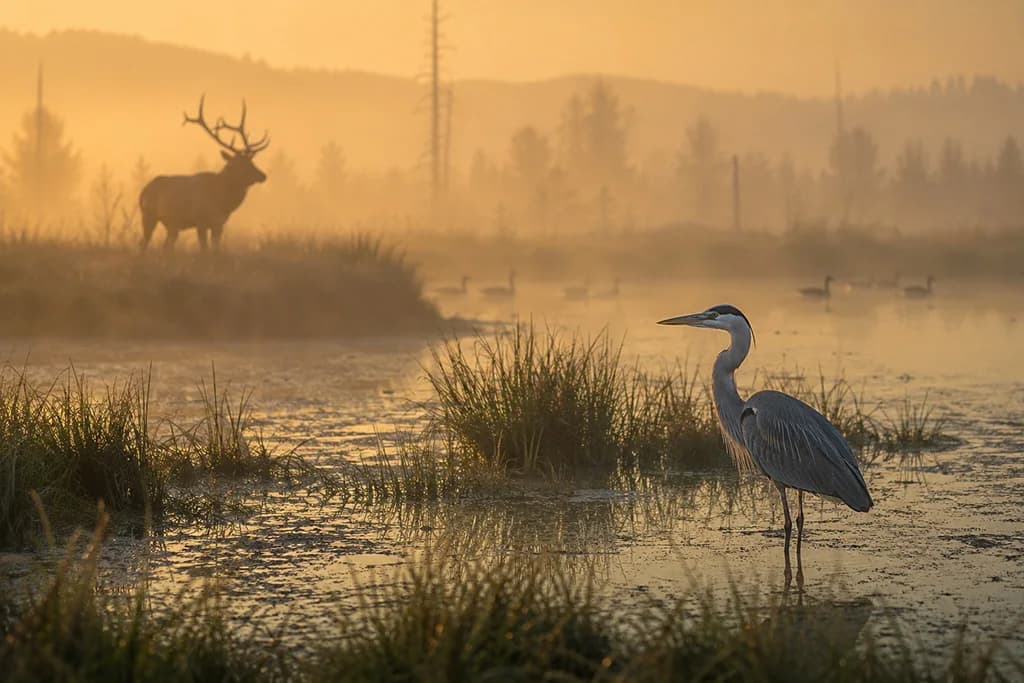
Great blue heron and elk in golden morning fog at a wetland
Likely nowExample source: GBIF occurrence records

Morning wetlands near your route

Strong spring timing, accessible paths, and a quiet backup stop if wind picks up.

Best window
6:20-8:45 AM
Drive
42 min
Ethics
Keep distance

Sample travel plan

Vegas conference birding window

A travel-first plan that protects the work trip, uses early and late light, keeps drive time honest, and gives backup stops when wind or heat makes the desert difficult.

Starter question

I am in Las Vegas Apr 19-24 for a conference. I have two evenings and one free day. What birds or wildlife are worth planning around within a 2-3 hour drive?

Sample stops

Compare constraints, not just sightings.

Start a similar plan
1Las Vegas Valley

Henderson Bird Viewing Preserve

Wetland habitat close to the conference base makes it the safest evening or short-morning option when the work schedule moves.

Drive
22-35 min
Best
6:10-8:30 AM or last hour
Likely

spring migrants, waterfowl, shorebirds

Ethics

Stay on paths and avoid pushing birds around pond edges for a cleaner angle.

Field memory

Mark which ponds held activity and whether afternoon heat shimmer spoiled long shots.

Source: GBIF occurrence records + public access notesConfidence: High for access, medium for target mix
2Mojave Desert north of Las Vegas

Corn Creek, Desert National Wildlife Refuge

Spring movement, water, shade, and habitat contrast make this a strong one-morning extension without consuming the full day.

Drive
45-65 min
Best
sunrise to 9:00 AM
Likely

desert birds, quail, possible bighorn sign

Ethics

Use quiet approach near water and give wildlife a clean path to drink.

Field memory

Record shade, water level, wind, and whether the visitor area stayed productive after sunrise.

Source: Refuge/access data + GBIF occurrence recordsConfidence: Medium-high for birds, variable for mammals
3Amargosa Valley

Ash Meadows National Wildlife Refuge

This is the highest-value full-day option: unusual habitat, boardwalk access, and a real sense of place for a traveling birder-photographer.

Drive
1 hr 45 min-2 hr 10 min
Best
full free day, dawn departure
Likely

desert specialists, water birds, endemic habitat

Ethics

Boardwalks and closures are part of the habitat protection system, not suggestions.

Field memory

Log boardwalk orientation, closed areas, best light direction, and whether the drive felt worth repeating.

Source: Refuge/access data + GBIF occurrence recordsConfidence: High for place value, medium for specific species

Grounded discovery

Browse when you are between trips. Plan when something catches your eye.

Explore is not a social feed. This preview frames the questions the planning surface needs to answer: why this place, why now, what context is available, how to behave responsibly, and whether it fits the time you have.

Wildlife context
Light and season notes
Ethical boundaries
Places to compare

Las Vegas Valley

Henderson Bird Viewing Preserve

Wetland habitat close to the conference base makes it the safest evening or short-morning option when the work schedule moves.

Build plan

Use the long lens from path edges. Work low contrast mornings first; switch to behavior details when sun climbs.

Mojave Desert north of Las Vegas

Corn Creek, Desert National Wildlife Refuge

Spring movement, water, shade, and habitat contrast make this a strong one-morning extension without consuming the full day.

Build plan

Arrive before direct sun. Watch edges first, then build a slow loop with the sun behind you.

Amargosa Valley

Ash Meadows National Wildlife Refuge

This is the highest-value full-day option: unusual habitat, boardwalk access, and a real sense of place for a traveling birder-photographer.

Build plan

Plan wide habitat frames plus patient long-lens work. Keep a midday rest and backup shade stop.

Field companion

Quietly capable when you are actually outside.

Dark field surfaces are still useful for low light, battery, and quick checks. They are a field mode, not the whole brand.

Timing notes
Focus species
Incoming light direction
Access and backup stops
Ethics and safety notes
Offline reference and PDF export

Trust and stewardship

Planning help is only useful when you can inspect it.

Source labels, confidence notes, privacy posture, and clear ethics boundaries are part of the workflow. The goal is to make careful planning visible without making care feel like homework.

Sensitive locations stay generalized.

The map applies location blur for sensitive places and can still show useful planning context without exposing exact coordinates.